
The Impact of Interior Design on Property Value: Why It Matters
The relationship between interior design and property value is significant and multifaceted. A well-executed interior design not only enhances the aesthetic appeal of a property but also influences buyer perceptions profoundly. When potential buyers walk through a space that is thoughtfully designed, they form immediate impressions that can ultimately dictate their willingness to purchase the property and the price they are willing to pay.
HOLIDAY HOMESPROPERTIES IN HURGHADAINVESTMENT FOR A LIFETIME
1/29/20265 min read
Understanding the Link Between Interior Design and Property Value
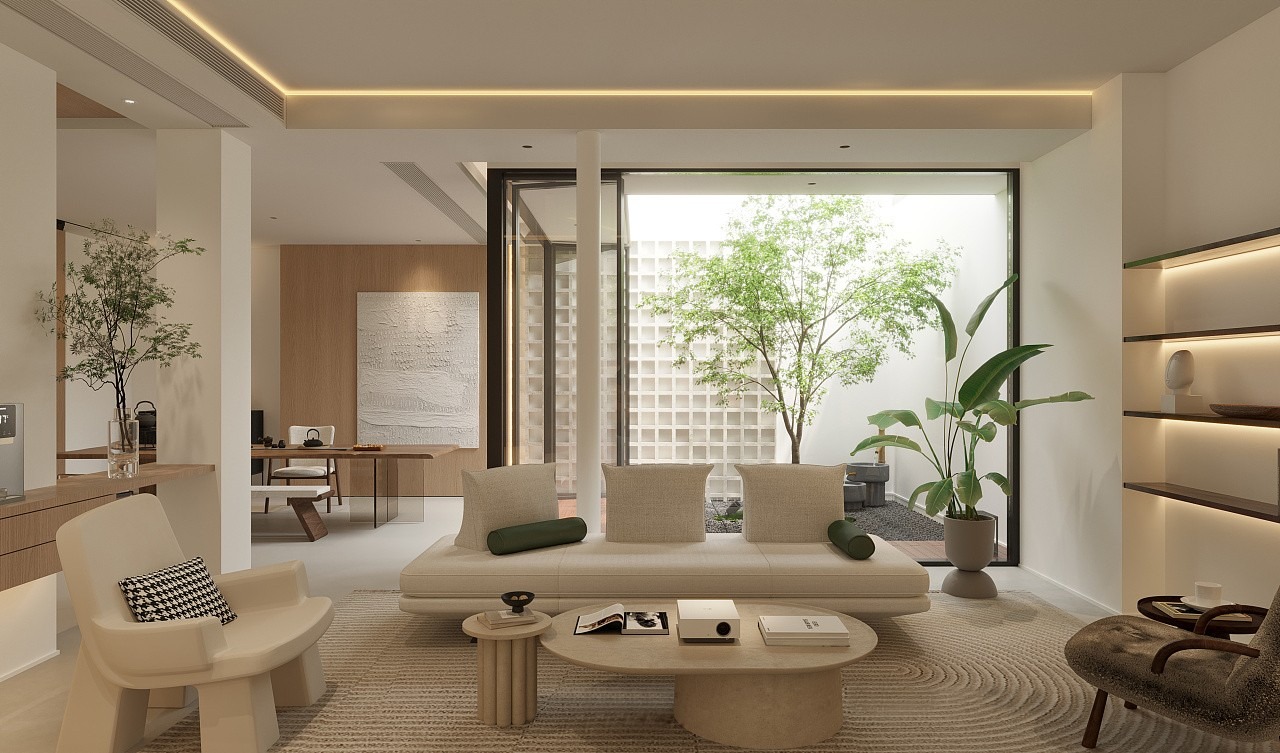
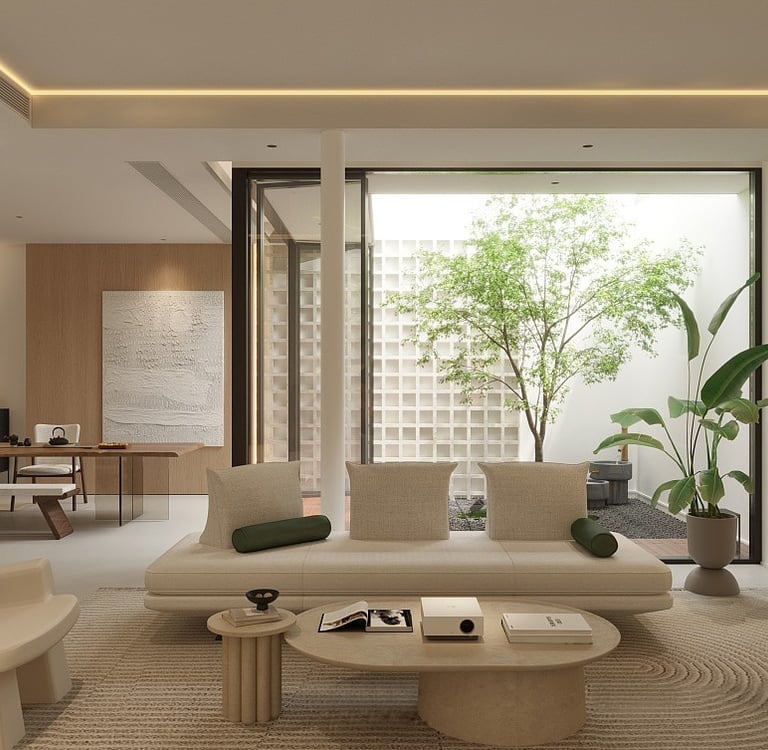
The relationship between interior design and property value is significant and multifaceted. A well-executed interior design not only enhances the aesthetic appeal of a property but also influences buyer perceptions profoundly. When potential buyers walk through a space that is thoughtfully designed, they form immediate impressions that can ultimately dictate their willingness to purchase the property and the price they are willing to pay.
Aesthetics play a crucial role in real estate. The choice of colors, materials, and layout can transform a home from average to outstanding, creating an inviting atmosphere that appeals to a broad audience. For instance, open floor plans that promote spaciousness tend to attract buyers by showcasing versatility in usage. Similarly, modern finishes and tasteful decorations can elevate the perceived value significantly. As a result, properties with superior interior design are often more marketable, resulting in quicker sales and potentially higher offers.
Moreover, functionality cannot be overlooked when discussing interior design’s impact on property value. Properties that incorporate smart storage solutions or ergonomic furnishings are viewed favorably due to their practicality. Buyers are inclined to invest in homes that reduce hassles in their daily lives. Such well-thought-out elements contribute to an enhanced experience, thereby adding to the property’s overall valuation.
Finally, the emotional response elicited by well-designed spaces cannot be underestimated. When buyers feel a sense of comfort and connection upon viewing a property, they are more likely to envision themselves living there. This emotional attachment can significantly sway their decision-making process, leading to increased offers and a boost in the property’s market value. Thus, it is clear that the intricacies of interior design play an indispensable role in shaping property value in today's competitive real estate landscape.
The Role of Interior Trends in Property Valuation
In today's real estate market, the impact of interior design trends on property valuation cannot be understated. Homebuyers are increasingly seeking properties that reflect their modern sensibilities, making the style and presentation of a property vital for enhancing its market appeal. Popular interior styles such as minimalism, mid-century modern, and industrial chic have emerged as desirable choices among buyers, influencing how properties are valued. For instance, a clean, uncluttered aesthetic not only makes spaces appear larger but also allows prospective buyers to envision their own style within the home.
Color scheme plays a crucial role in shaping a property's ambiance and overall appeal. Neutral palettes, including shades of white, gray, and beige, have gained traction as they provide a versatile backdrop, adaptable to various decorating preferences. By employing contemporary color trends, such as pastels or earth tones, homeowners can create inviting spaces that resonate with current buyer expectations. The right color combination can significantly elevate a property's perceived value and desirability.
In addition to aesthetics, layout preferences are evolving. Open floor plans continue to gain popularity as they facilitate modern lifestyles that favor connectivity and engagement within living spaces. Moreover, the inclusion of modern amenities, such as smart home technology and energy-efficient appliances, has become a determining factor for many buyers. Properties that integrate these features are viewed as more valuable, as they align with contemporary living standards and sustainability practices.
Furthermore, sustainable design choices are becoming increasingly important to today's environmentally conscious buyers. Features such as recycled materials, energy-efficient windows, and eco-friendly finishes not only contribute to a home's value but also reflect a commitment to responsible living, which can be a significant attraction in the housing market. As buyers become more discerning, understanding these interior trends is essential for homeowners aiming to maximize property value.
Case Studies of Successful Interior Design Transformations
Interior design plays a pivotal role in shaping property values, as demonstrated by numerous successful case studies. One notable example is a mid-century home in California that underwent a complete interior renovation. The owners invested approximately $100,000 in modernizing the kitchen, updating the bathrooms, and enhancing the living spaces with contemporary color palettes and finishes. After the renovations, the property value surged by 25%, resulting in an estimated equity increase of $250,000. This case illustrates the significance of investing in design trends that resonate with the target market.
Another compelling case involved a three-bedroom bungalow in a suburban neighborhood. Recognizing the potential for improvement, the owners focused on enhancing curb appeal through strategic interior modifications. They spent around $50,000 on upgrades including new flooring, fresh paint, and an open-concept living area. Following these changes, the property sold for 15% above the market average. This transformation not only provided a more functional living space but also significantly bolstered its appeal to prospective buyers.
A third instance can be observed in an older apartment unit in a downtown area that was perceived as outdated. The owners opted for a minimalist design approach, implementing smart storage solutions and energy-efficient fixtures. With an expenditure of roughly $30,000, the interior was revitalized, resulting in a 20% increase in property value. This demonstrates that effective design does not necessarily require a substantial budget; rather, strategic investments can lead to impressive returns.
These case studies highlight how thoughtful interior design renovations can dramatically enhance property values. By analyzing the specific changes made and the associated costs, it becomes clear that savvy homeowners can achieve considerable improvements in their property’s worth through well-planned design strategies.
Tips for Homeowners: How to Enhance Your Property's Value Through Interior Design
Homeowners seeking to increase their property's value through interior design can adopt various strategies that are effective yet budget-friendly. One of the pivotal aspects is undertaking minor updates that can significantly enhance the overall appearance without an extravagant investment. For instance, a coat of fresh paint in neutral colors can breathe new life into a space, making it feel more inviting and expansive. Additionally, updating fixtures and hardware, such as cabinet knobs or light switches, can modernize a home’s look with minimal expense.
Staging is another crucial element in elevating property value. By strategically arranging furniture and decor, homeowners can emphasize the strengths of a room. Clutter-free spaces often appear larger and more appealing, which is essential when showing a property to potential buyers. Utilizing effective staging techniques, such as incorporating mirrors to create an illusion of space or choosing the right scale of furniture to maintain balance, can make significant differences.
Moreover, DIY projects can also be substantial in enhancing property aesthetics and value. Simple projects like landscaping, creating an outdoor living space, or even upgrading lighting fixtures can yield high returns. However, it is important to assess personal skills and time availability realistically. For more complex design needs or specific goals, enlisting professional interior designers can be worthwhile. They bring expertise and can tailor designs to highlight a property’s distinctive features, ultimately driving up its market appeal.
Adopting these tips provides homeowners with informed decisions that enhance both comfort and aesthetic appeal while increasing their property's value. A strategic approach to interior design will create an environment that resonates with potential buyers, making it a worthy investment.
Boost your property’s worth – discover how interior design can increase your home’s value today!