
Exploring Mixed-Use Developments: Benefits, Trends, and Investment Opportunities
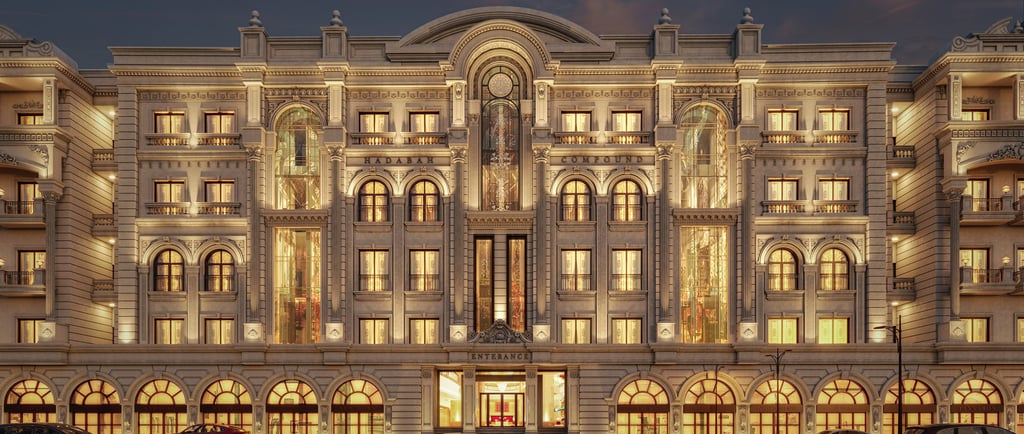
Mixed-use developments are integral components of contemporary urban planning, comprising a carefully curated blend of residential, commercial, and recreational spaces within a single project. This concept facilitates a harmonious living environment, allowing residents to live, work, and play in proximity. Traditionally, urban planning segregated these various uses into distinct zones, but the emergence of mixed-use developments represents a significant shift towards creating multifunctional spaces that offer convenience and foster community interactions.
HOLIDAY HOMESTOWNHOUSESPROPERTIES IN HURGHADAGATED COMMUNITIES
3/14/20264 min read
Understanding Mixed-Use Developments
Mixed-use developments are integral components of contemporary urban planning, comprising a carefully curated blend of residential, commercial, and recreational spaces within a single project. This concept facilitates a harmonious living environment, allowing residents to live, work, and play in proximity. Traditionally, urban planning segregated these various uses into distinct zones, but the emergence of mixed-use developments represents a significant shift towards creating multifunctional spaces that offer convenience and foster community interactions.
The historical roots of mixed-use developments can be traced back to traditional town centers and community hubs, where merchants and residents coexisted, sharing resources and social interactions. However, as cities grew and urbanization accelerated in the 20th century, the compartmentalization of living and working spaces became prevalent. This separation led to increased reliance on vehicular transportation, contributing to congestion and environmental challenges.
In recent decades, there has been a resurgence of interest in mixed-use developments, driven by a desire for sustainable urban growth and a higher quality of life for residents. The rise of the 'live-work-play' model reflects an increasing demand for accessible amenities and vibrant communities. Modern mixed-use developments not only provide housing but also incorporate office spaces, shops, restaurants, and recreational facilities, encouraging pedestrian activity and reducing the need for cars.
This paradigm shift is evident in various urban environments worldwide, where cities are embracing mixed-use developments as a solution to counter housing shortages and improve urban livability. By integrating diverse spaces within single developments, cities can promote economic growth, enhance social cohesion, and address environmental concerns. Thus, understanding mixed-use developments is pivotal in appreciating the evolving nature of urban spaces and their role in shaping sustainable communities.
Key Benefits of Mixed-Use Developments
Mixed-use developments provide a variety of advantages that significantly enrich urban living and foster community engagement. One of the primary benefits is the enhancement of community interactions. By combining residential, commercial, and recreational spaces, these developments encourage social connections among residents and businesses. This interconnectedness often leads to a more vibrant community dynamic where individuals can engage with their neighbors and local entrepreneurs.
Accessibility is another critical advantage of mixed-use developments. When residential units are situated close to workplaces, public transport, and amenities, residents are less reliant on private vehicles. This improved accessibility not only promotes a more sustainable lifestyle but also contributes to reduced traffic congestion and lower greenhouse gas emissions. Evidence suggests that neighborhoods designed with mixed-use principles experience greater foot traffic and a lower carbon footprint.
Economic growth is a significant outcome of mixed-use developments as well. By creating new jobs and supporting local businesses, these projects can stimulate the local economy. For instance, studies have shown that mixed-use areas often enjoy higher property values and faster economic recovery after downturns. More local businesses thrive within these developments, leading to a diversified economy that can withstand various market changes.
Furthermore, mixed-use developments promote environmental sustainability by reducing urban sprawl. By maximizing land use and integrating different functionalities into a cohesive space, these developments minimize the extensive land consumption which has traditionally characterized urban expansion. The association of residential, office, and leisure spaces fosters a balanced ecosystem, where all components coexist without overly consuming natural resources. Notably, cities like Portland and Arlington exemplify the successful implementation of mixed-use developments, showcasing their multifaceted benefits, such as increased community engagement and economic resilience.
Current Trends in Mixed-Use Developments
The landscape of mixed-use developments is increasingly being shaped by a variety of trends that reflect changing consumer preferences and technological advancements. One of the most significant trends is the integration of smart technology into these developments. Developers are utilizing Internet of Things (IoT) devices and smart infrastructure to enhance the user experience, improve energy efficiency, and facilitate better management of communal spaces. This technology allows for real-time monitoring and communication, making properties more attractive to prospective tenants.
Another critical aspect is the increasing emphasis on sustainability. Mixed-use developments are incorporating green building practices and sustainable materials that reduce their environmental footprint. Utilizing renewable energy sources, green roofs, and water conservation technologies not only helps the environment but also appeals to eco-conscious consumers. This holistic approach to design is increasingly crucial as residents prioritize living in areas that support their environmental values.
The rise of lifestyle centers represents yet another key trend in mixed-use developments, where retail, dining, entertainment, and living spaces are seamlessly blended. These centers often become community hubs, fostering a sense of belonging and offering diverse experiences. They leverage the changing lifestyle preferences of consumers who are seeking proximity to amenities that promote convenience and social interaction.
The influence of the pandemic has also dramatically altered the design and layout of mixed-use spaces. Developers are now prioritizing open-air configurations and flexible layouts that promote social distancing and outdoor dining. This shift reflects a growing demand for environments that support health and well-being. Furthermore, demographic shifts, particularly the influx of younger people into urban settings, are driving demand for mixed-use developments. These generations value urban living opportunities that provide access to social and recreational activities, further solidifying the appeal of such projects in contemporary real estate markets.
Mixed-use developments present a compelling opportunity for investors, combining residential, commercial, and sometimes industrial spaces to create vibrant communities. One of the primary attractions of these projects is income diversity. By incorporating various property types, developers can mitigate risk, as downturns in one sector, such as retail, may be offset by stability in residential leases. This variety in tenant types contributes to a more steady income flow and reduces dependency on a single revenue source.
Additionally, mixed-use developments often experience long-term value appreciation due to their strategic locations and the integrated lifestyle they offer. As more consumers favor walkable neighborhoods blending work, living, and leisure, the demand for such spaces is expected to grow. Investors can benefit from this trend by recognizing that properties in mixed-use settings typically retain higher occupancy rates and command premium rents compared to single-use developments.
Nonetheless, there are challenges in mixed-use investments that must be navigated. Developing such projects requires thorough market research to ensure the mix of uses aligns with consumer preferences and local demand. Financing can also be more complex due to the multifaceted nature of these projects, requiring investors to secure funds from various sources and understand the nuances of different property types. Networking with specialized investors or seeking partnerships with seasoned developers can provide invaluable insights and increase the likelihood of success.
Examining successful mixed-use developments highlights the potential rewards. For instance, projects that have successfully integrated sustainable practices and community-focused designs tend to achieve significant interest from investors. These successful examples not only illustrate the viability of the mixed-use model but also reveal the importance of careful planning, innovative design, and responsive property management.